In 2026, buying a lithium RV battery without Bluetooth is like buying a car without a fuel gauge. You can do it, but you're guessing every single day — and guessing is how people quietly destroy a $400 battery in a single season.
Why visibility matters
Lithium doesn't warn you before it dies. Voltage stays almost flat through most of the discharge curve, then falls off a cliff at the end. Without a way to see state of charge, most people either over-discharge (tripping the BMS and, over time, shortening cell life) or under-use a battery they paid good money for.
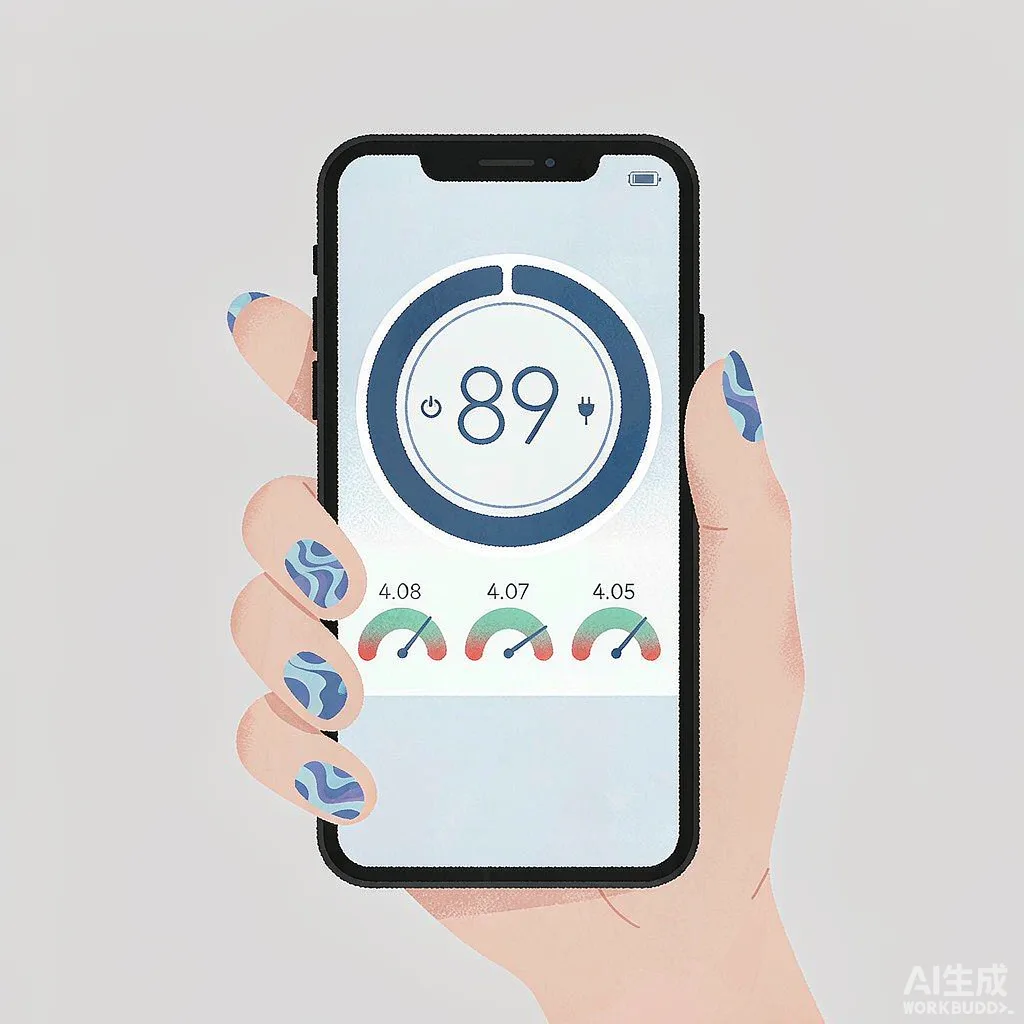
A Bluetooth BMS solves this for the price of a phone app. On a Bluetooth BMS like the one in the HumsiENK 100Ah model, the app's voltage reading is typically close enough to a dedicated shunt for daily decisions.
What the app shows you
- State of charge (%) — the number you actually care about at 9pm.
- Per-cell voltage — catches a drifting cell before it becomes a dead battery.
- Current in/out — see what your fridge or inverter is really drawing.
- Temperature — critical if you charge in cold weather, since charging a lithium cell below freezing damages it.
- Cycle count — useful for resale value and warranty claims.
Bluetooth vs a separate shunt
| Bluetooth BMS (built in) | Dedicated shunt monitor | |
|---|---|---|
| Cost | Included | $40–$150 extra |
| Installation | None — it's in the battery | Requires wiring into the negative path |
| Per-cell data | Yes | No — system level only |
| Accuracy | Good (±small % drift over time) | Excellent — counts every amp |
| Whole-system tracking | Limited to that battery | Yes, across all loads and sources |
Our take: start with a Bluetooth battery. It covers what most RVers need at no extra cost. Add a shunt later only if you're running a complex multi-source system and want precise energy accounting.
Our pick
If you want app monitoring without buying anything extra, this is the cell we'd point you to. It's a popular pick among RVers for season-long use, and the app is the reason most people don't go back to a basic battery.
HumsiENK 100Ah LiFePO4 (Bluetooth)
Need more capacity with the same visibility? See our 100Ah vs 200Ah vs 314Ah guide, or read the full HumsiENK battery review for a closer look at the specs.
Visit HumsiENK Store Visit Wattcycle Store
Frequently asked questions
Do I still need a shunt if my battery has Bluetooth?
For most people, no. A Bluetooth BMS reports state of charge, current and per-cell voltage, which covers what most RVers need. A separate shunt is more accurate for tracking total energy across a system with multiple loads and sources.
Does Bluetooth drain my RV battery?
The drain is negligible — a fraction of a milliamp in standby, far less than the cell's own self-discharge. You won't notice it.
Can I check my battery from inside the house?
Only within Bluetooth range, typically 10–30 feet. If the battery sits in an external compartment and you want to check it from bed, consider a monitor with a remote display.
Disclosure: RV Battery Hub is reader-supported and may earn from qualifying links at no extra cost to you. App features vary by model — check the product listing for the current specification.